Your App Works on iPhone but Breaks on Android (or the Other Way Around)
- News & Notes
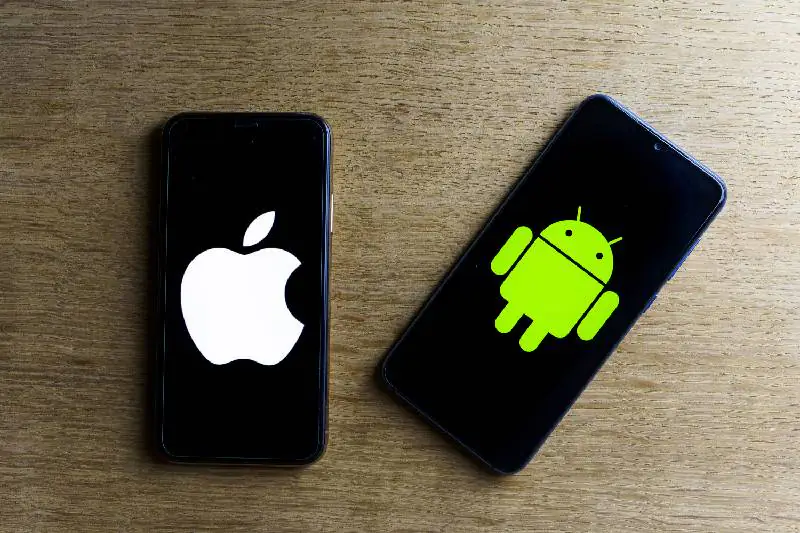
Launching a mobile product requires immense preparation, design, and testing. Few experiences are as frustrating as launching your application only to discover that it runs perfectly on an iPhone, yet stutters, crashes, or misaligns on Android. Conversely, an app might run smoothly on dozens of Android smartphones but refuse to render properly on iOS.
This single-platform failure is a common challenge in mobile app development Phoenix businesses face every day. When your application fails on one major operating system, you risk alienating half of your target market, damaging your brand reputation, and burning through your technical support budget.
Understanding why cross-platform discrepancies happen and how to address them early saves time, money, and customer trust.
Why Mobile Apps Fail on One Platform
While modern development frameworks make cross-platform deployment easier than ever, iOS and Android remain fundamentally different ecosystems. They rely on distinct hardware architectures, memory management styles, rendering engines, and security guidelines.
1. Hardware Fragmentation vs. Controlled Ecosystems
Apple designs both the hardware and the operating system for its devices. At any given time, developers only need to account for a small, predictable set of active iPhone models, screen resolutions, and chipsets.
Android is an open-source operating system used by thousands of device manufacturers worldwide. From budget smartphones to flagship foldable devices, Android runs on thousands of different screen sizes, processor architectures, and GPU configurations. An application designed with iOS app development Phoenix standards might run smoothly on a controlled set of iPhones, but crash on Android when encountering an unexpected screen aspect ratio or hardware chipset.
2. Differing Operating System Architectures
Under the hood, iOS and Android handle system resources differently:
- Memory Management: iOS enforces strict memory limits per application. If an app uses too much memory, iOS terminates it without warning. Android uses dynamic memory management, allowing more flexibility, but it can suffer from garbage collection stutters if code is inefficient.
- Background Processing: Android allows background tasks and services to run relatively freely, provided power-saving modes do not restrict them. iOS aggressively suspends background activities to conserve battery life. An app that relies on background sync might run reliably on Android, yet fail on iOS due to system restrictions.
3. Rendering Engine Differences
Cross-platform frameworks like React Native or Flutter bridge the gap between platforms, but they handle rendering differently. React Native bridges JavaScript to native UI components, which means a button component looks like a native iOS element on an iPhone and a native Material Design element on Android. Flutter renders its own pixels directly using the Impeller engine.
If your developers use custom styling or native modules without adequate platform-specific testing, layout shift, missing fonts, or non-functional animations will surface on one platform while appearing flawless on the other.
4. Native Permissions and Security Rules
Camera access, location services, push notifications, and local file storage require explicit permissions on both operating systems, but the permission models operate differently. iOS requires explicit, clear usage descriptions in the app build file, or the app immediately crashes on launch. Android handles permissions dynamically and updated its location and notification rules across recent versions. If permissions are coded for one platform’s requirements, the other platform will block essential functions.
The Hidden Costs of Single-Platform Failures
When an app works on iPhone but not Android, or an app works on Android but not iPhone, the business consequences extend beyond a minor technical glitch.
- Negative App Store Reviews: Users rarely report bugs directly to developers; they leave 1-star reviews on the Apple App Store or Google Play Store. A wave of low ratings depresses your store visibility and hurts organic downloads.
- Higher Customer Acquisition Costs: Marketing campaigns drive traffic to both platforms equally. If half of your incoming users experience a broken interface, your ad spend yields half the conversion rate.
- Increased Engineering Debt: Fixing structural platform bugs after launch costs significantly more than resolving them during pre-launch testing.
Working with an experienced provider of custom mobile app development Phoenix ensures these architectural differences are addressed during design and architecture, rather than after a public launch.
Core Steps to Eliminate Platform Discrepancies
Preventing and resolving cross-platform bugs requires a disciplined software engineering process.
| Phase | Title | Key Objective & Activities |
| Step 1 | Design & Architecture | Standardize user experience (UX) and navigation logic for each platform’s design guidelines (Material Design vs. Human Interface Guidelines). Establish memory, permission, and background processing models early to avoid cross-platform structural flaws. |
| Step 2 | Targeted Native Coding | Implement platform-specific code modules, permission declarations, and rendering adjustments for iOS (Swift) and Android (Kotlin) or cross-platform bridges (React Native / Flutter) to ensure seamless performance on both operating systems. |
| Step 3 | Device Lab Testing | Run automated test suites across simulated environments and physically test the application on a lab of actual iOS and Android devices to catch hardware fragmentation, screen aspect ratio issues, and thermal or memory limits. |
| Step 4 | Staged Rollouts | Deploy update builds incrementally to a small percentage of users on the Apple App Store and Google Play Store while actively monitoring telemetry and crash reports (e.g., Firebase Crashlytics) to fix any unexpected bugs before a full public release. |
How Net-Craft.com Helps Businesses Bridge the Gap
Based in Scottsdale, Arizona, Net-Craft.com has spent over two decades delivering reliable digital products for startups, mid-market businesses, and enterprises across the Phoenix metro area and nationwide.
Our specialized expertise in iOS Android app development Phoenix services covers the complete product lifecycle:
- Architectural Audits: Evaluating existing codebases to identify why an app behaves inconsistently across operating systems.
- Native & Cross-Platform Development: Building performant applications using Swift, Kotlin, React Native, and Flutter.
- Comprehensive Quality Assurance: Testing products on physical device labs to ensure seamless performance across both iOS and Android ecosystems.
Partnering with a local Android app development Phoenix team gives you direct access to senior engineers who prioritize quality control, platform compliance, and user retention.
Frequently Asked Questions
Why does my mobile app work on my iPhone but fail on Android?
An app might work on an iPhone but fail on Android due to hardware fragmentation, different screen aspect ratios, or distinct operating system permissions. Android runs on thousands of different device models with varying chipsets and memory limits, whereas iOS runs on a small, tightly controlled set of Apple devices. If the application was not rigorously tested on physical Android hardware, bugs in memory management or screen rendering will occur.
Why does my app run smoothly on Android but break on iOS?
iOS enforces strict rules around memory usage, background task execution, and security permissions. If an app requests system permissions incorrectly or exceeds memory limits, iOS terminates the application immediately. Additionally, iOS layout rendering differs from Android, which can cause user interface elements to overlap or become unclickable if platform-specific styling was omitted.
Should I build separate native apps or use a cross-platform framework?
The choice depends on your project requirements, budget, and performance needs. Cross-platform frameworks like React Native and Flutter allow you to maintain a single codebase for both iOS and Android, reducing development time and cost. However, complex applications requiring heavy hardware integration, custom Bluetooth protocols, or advanced graphics often benefit from separate native development in Swift (iOS) and Kotlin (Android).
How can I test my app on multiple Android and iPhone models before launch?
You can combine automated cloud-based testing platforms with physical device lab testing. Cloud services allow you to run automated scripts across hundreds of real smartphones in parallel. Additionally, working with a local team experienced in iOS app development Phoenix ensures manual exploratory testing on physical flagship and budget devices before submitting your application to the app stores.
How do I fix an app that is already failing on one platform in production?
Start by gathering crash reports and diagnostics using monitoring tools like Firebase Crashlytics or Sentry. Identify whether the issue stems from layout rendering, memory management, API differences, or missing permissions. Once identified, release an emergency hotfix build through a staged rollout, allowing you to verify the fix on a small percentage of users before pushing it to your entire user base.
- Back
- Next